
Traveling to America's most expensive cities does not have to drain your bank account. Whether you are planning a weekend getaway to New York City or a week-long West Coast road trip through San Francisco and Los Angeles, the right budget travel tips for expensive cities in the USA can save you hundreds — sometimes thousands — of dollars. According to the Bureau of Labor Statistics, the cost of living in Manhattan is 2.4 times the national average, and San Francisco is not far behind at 1.8 times. But experienced budget travelers routinely visit these cities for a fraction of what most tourists spend. The key is pairing smart travel planning with strong debt payoff strategies so your trip does not create financial stress after you return home.
This guide breaks down city-by-city strategies for accommodation, food, transportation, and free activities across America's eight priciest destinations. Every tip is actionable, backed by real cost data, and tested by travelers who have done it on tight budgets.
Why Are Some US Cities So Expensive to Visit?
Understanding why cities are expensive helps you find the gaps where savings hide. The biggest cost drivers for travelers in expensive US cities are:
- Accommodation: Average hotel rates in Manhattan exceed $350/night. San Francisco averages $280/night. These are 2-3x the national average of $150/night.
- Food: Restaurant meals in NYC and SF cost 30-50% more than the national average. A casual dinner for two easily exceeds $80 in Manhattan.
- Transportation: Rideshare costs surge in dense urban areas. A 20-minute Uber in NYC can cost $25-$45 depending on time of day.
- Tourism tax: Popular attractions charge premium prices. A family of four visiting the top NYC attractions can spend over $500 on entrance fees alone.
The good news: each of these cost categories has reliable strategies to cut spending by 40-60% without sacrificing the quality of your experience. Budget travel tips for expensive cities in the USA revolve around finding the sweet spots between price and value.
Budget Accommodation Strategies That Work
Lodging is typically 40-50% of your total trip cost in expensive cities. Here are the most effective strategies to bring that number down significantly:
Stay Outside the City Center
Hotels and rentals in adjacent neighborhoods are 40-60% cheaper. In NYC, staying in Long Island City (Queens) instead of Midtown Manhattan saves $100-$200/night while keeping you one subway stop from Times Square. In San Francisco, Oakland hotels cost 50% less and BART connects you to the city in 15 minutes.
Use Hostels and Shared Accommodations
Modern hostels in expensive US cities have dramatically improved. A private room at HI NYC costs $80-$120/night — less than half of the cheapest Manhattan hotel. Dorm beds run $40-$60. Many hostels include breakfast, communal kitchens, and free walking tours.
Book Mid-Week and Off-Season
Hotel prices in expensive cities drop 20-35% on Tuesday and Wednesday nights compared to weekends. Visiting during shoulder seasons (January-March, September-November, excluding holidays) can reduce accommodation costs by another 25-40%.
Consider Alternative Lodging
- University housing: Available during summer months at 50-70% below hotel rates
- House-sitting platforms: Free accommodation in exchange for pet care or property maintenance
- Extended-stay hotels: Weekly rates that are 30-40% cheaper per night than standard bookings
How to Save Money on Food and Dining
Food costs add up quickly in expensive cities, but you can eat well for far less than most tourists spend. The average visitor to NYC spends $75/day on food — budget travelers consistently spend $25-$40 by following these strategies:
Eat Where Locals Eat
Move 2-3 blocks away from major tourist attractions and prices drop dramatically. In San Francisco, lunch near Fisherman's Wharf averages $22-$30 per person. Walk ten minutes to the Tenderloin or Mission District and equivalent meals cost $10-$15. Use Google Maps to check restaurant prices before walking in.
Leverage Free Hotel Breakfast and Grocery Stores
Choose accommodation with free breakfast — this alone saves $10-$15/day per person. For other meals, visit grocery stores like Trader Joe's, Aldi, or local bodegas. A loaf of bread, deli meats, and fruit for lunch costs $8-$12 and covers two people for two days.
Food Halls and Ethnic Neighborhoods
Every expensive US city has food halls and ethnic dining enclaves where meal prices are 40-60% below tourist-area restaurants. Chinatown in NYC, the Mission District in SF, Koreatown in LA, and Little Havana in Miami all offer outstanding meals for $8-$15.
Budget Transportation in Expensive Cities USA
Transportation is where budget travel tips for expensive cities in the USA make some of the biggest difference. Here is how to move around without overspending:
Public Transit Passes Save 50-70%
Every major expensive US city has a transit pass that dramatically undercuts rideshare costs:
| City | Transit Pass | Cost | Rideshare Equivalent |
|---|---|---|---|
| New York City | 7-Day MetroCard | $34 | ~$140+ for equivalent rides |
| San Francisco | Muni 7-Day Pass | $45 | ~$120+ for equivalent rides |
| Chicago | CTA 7-Day Pass | $28 | ~$100+ for equivalent rides |
| Washington D.C. | SmarTrip + daily cap | ~$30/week | ~$110+ for equivalent rides |
| Boston | 7-Day LinkPass | $22.50 | ~$90+ for equivalent rides |
Walk and Bike
The most expensive US cities are also some of the most walkable. NYC, San Francisco, Chicago, and Boston all score above 80 on Walk Score. Bike-share programs (Citi Bike in NYC, Bay Wheels in SF, Divvy in Chicago) cost $3-$5 per ride or $15-$20 for a day pass. Walking is free and lets you discover neighborhoods you would miss from a car window.
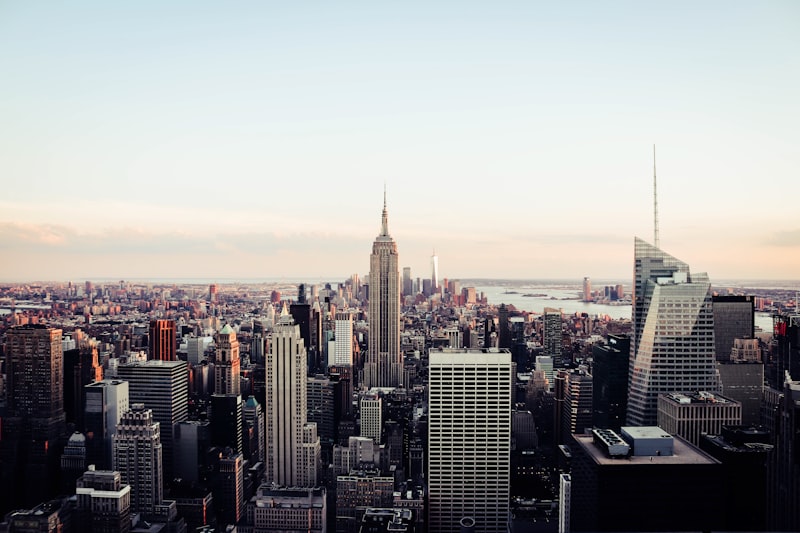
New York City on a Budget
New York City is the most expensive city for travelers in the USA, but it also has the most free and affordable options. Here is your budget playbook:
- Free activities: Central Park, Brooklyn Bridge walk, Staten Island Ferry (free, with Statue of Liberty views), High Line, Times Square, many museums have free hours (MoMA on Fridays 4-8pm, Met Museum is pay-what-you-wish for NY residents)
- Budget food: Dollar pizza slices ($1-$1.50), halal carts ($5-$7 for a platter), Chinatown restaurants ($8-$12 for a full meal), Trader Joe's for groceries
- Cheap transit: 7-day unlimited MetroCard ($34) covers all subway and bus rides. Never take a taxi from the airport — AirTrain + subway is $10.75 from JFK
- Accommodation hack: Stay in Long Island City, Astoria, or Bushwick — all 15-20 minutes from Manhattan, 50% cheaper hotels
Budget daily estimate: $100-$130 per person (hostel $50, food $30, transit $5, activities $15-$45)
San Francisco on a Budget
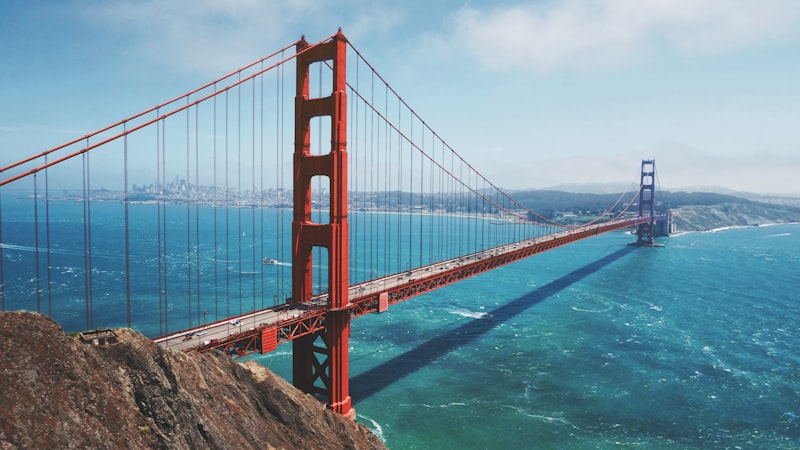
San Francisco's compact size (just 7x7 miles) actually helps budget travelers — you can walk or bus almost everywhere without expensive transit costs.
- Free activities: Golden Gate Bridge walk, Lands End Trail, Mission murals walking tour, Coit Tower exterior, Ferry Building (free to browse), free walking tours in Chinatown and the Haight
- Budget food: Mission District burritos ($10-$14 for massive portions), Chinatown dim sum ($12-$18 for two), Sunset District Asian restaurants
- Transportation: Muni pass covers buses, streetcars, and cable cars. Walk across the Golden Gate Bridge instead of paying for a tour bus
- Accommodation: Stay in Oakland or Daly City and BART into the city. HI San Francisco Downtown hostel offers beds from $45/night
Budget daily estimate: $110-$150 per person
Los Angeles on a Budget
LA's sprawl makes it trickier to navigate cheaply, but the city has vastly improved its public transit network. The Metro system now connects many major attractions.
- Free activities: Venice Beach boardwalk, Griffith Observatory (free entry, parking $10), Getty Center (free entry), hiking in Runyon Canyon, Santa Monica Pier
- Budget food: Koreatown BBQ ($12-$18), taco trucks throughout East LA ($2-$4 per taco), Grand Central Market downtown, Thai Town restaurants
- Transportation: Metro day pass ($3.50) covers buses and rail. Avoid renting a car if possible — parking alone costs $20-$40/day
- Accommodation: Hostels in Hollywood or Santa Monica from $35-$55/night. Hotels in Koreatown or Mid-Wilshire are 40% cheaper than West Hollywood
Budget daily estimate: $90-$120 per person
Miami on a Budget
Miami's beach culture means many of the best experiences are free. The trick is avoiding the overpriced South Beach restaurant and nightlife scene.
- Free activities: South Beach and all public beaches (free), Wynwood Walls street art (free outdoor murals), Lincoln Road Mall (window shopping), Little Havana walking tour, Art Deco Historic District
- Budget food: Little Havana's Cuban restaurants ($8-$14 for a full meal with rice, beans, and protein), food trucks in Wynwood, Publix supermarket for groceries
- Transportation: Miami-Dade Transit buses ($2.25 single ride), free Metromover in downtown, bike rentals via Citi Bike ($6/30-min ride)
- Accommodation: North Miami Beach and Hollywood (FL) hotels cost 40-50% less than South Beach. Hostels on Miami Beach from $30-$50/night in dorm rooms
Budget daily estimate: $80-$110 per person
Budget Travel Tips for Chicago, D.C., Boston & Honolulu
Chicago
Chicago is the most budget-friendly among expensive US cities. Magnificent Mile browsing is free, Millennium Park and the Bean are free, and the Lakefront Trail offers 18 miles of free scenery. Deep-dish pizza at local spots costs $15-$20 for two people. CTA 7-day pass is just $28. Budget daily estimate: $75-$100 per person.
Washington D.C.
D.C. is a budget traveler's dream because nearly every Smithsonian museum is free, along with the National Mall monuments. That includes the National Museum of Natural History, Air and Space Museum, National Gallery of Art, and more. Budget daily estimate: $80-$110 per person.
Boston
Walk the Freedom Trail for free (2.5 miles of history), explore the waterfront, and visit the Boston Public Library. The T (subway) is affordable with a 7-day LinkPass at $22.50. Budget daily estimate: $90-$120 per person.
Honolulu
Waikiki Beach is free, and snorkeling at Hanauma Bay costs just $25. Grocery stores like Don Quijote offer affordable meals. The Bus covers the entire island for $3/ride. Budget daily estimate: $100-$140 per person (accommodation is the biggest expense).
How to Save Money Fast on a Low Income for Travel
Before you can use budget travel tips for expensive cities in the USA, you need to save for the trip. Here is how to build a travel fund even on a tight income:
- Automate small transfers: Set up $20-$50 automatic transfers each paycheck to a separate travel savings account. Even $25/week adds up to $1,300 in a year.
- Cut one subscription: Cancel one streaming service, gym membership, or subscription box. Redirect those $10-$50/month directly into your travel fund.
- Use cashback apps: Apps like Rakuten, Ibotta, and Fetch Rewards earn $5-$20/month on purchases you are already making. Send cashback directly to savings.
- Sell unused items: Most households have $200-$500 worth of unused items. List them on Facebook Marketplace, Poshmark, or eBay.
- Pick up gig income: Even 5-10 hours of freelance work, delivery driving, or tutoring per week can fund a trip in 2-3 months.
A realistic goal: save $1,000-$2,000 in 3-6 months, which covers a 5-7 day budget trip to most expensive US cities. Parking your travel fund in one of the best high-yield savings accounts lets it earn 4-5% APY while you build it, adding an extra $20-$50 to your fund over six months.
How to Save Money on Gas During Road Trips
If you are driving between expensive cities on a road trip, fuel costs add up fast. Here is how to save money on gas and keep your transportation budget in check:
- Use GasBuddy or Waze: These apps show real-time gas prices along your route. Prices vary by 30-50 cents per gallon between stations just miles apart.
- Fill up in suburbs, not cities: Gas in Manhattan averages $4.50-$5.00/gallon compared to $3.20-$3.60 in suburban New Jersey, just minutes across the bridge.
- Drive at steady speeds: Using cruise control on highways improves fuel economy by 7-14%. Aggressive driving (rapid acceleration, hard braking) wastes 15-30% more fuel.
- Warehouse club memberships: Costco and Sam's Club gas is typically 20-40 cents cheaper per gallon than surrounding stations.
- Grocery store fuel rewards: Kroger, Safeway, and other chains offer fuel points that can save $0.10-$1.00 per gallon.
For a 2,000-mile road trip, these strategies combined can save $80-$150 in fuel costs. Check our car insurance guide to make sure you have the right coverage before hitting the road.
Daily Budget Breakdown by City
Here is what budget travel tips for expensive cities in the USA look like in practice. These daily per-person estimates assume budget accommodation, local food, public transit, and a mix of free and paid activities:
| City | Lodging | Food | Transit | Activities | Daily Total |
|---|---|---|---|---|---|
| New York City | $50-$70 | $25-$35 | $5 | $10-$25 | $100-$135 |
| San Francisco | $45-$65 | $25-$35 | $6 | $10-$20 | $90-$130 |
| Los Angeles | $35-$55 | $20-$30 | $3.50 | $10-$25 | $70-$115 |
| Miami | $30-$55 | $20-$30 | $5 | $10-$20 | $65-$110 |
| Chicago | $30-$50 | $20-$30 | $4 | $10-$20 | $65-$100 |
| Washington D.C. | $35-$55 | $20-$30 | $5 | $0-$15 | $60-$105 |
| Boston | $40-$60 | $20-$30 | $3.50 | $10-$20 | $75-$115 |
| Honolulu | $45-$70 | $25-$35 | $3 | $10-$25 | $85-$135 |
These estimates assume one person sharing a room. Solo travelers in private rooms should add $20-$40/day. Couples can often reduce per-person costs by 15-25% by splitting accommodation.
Building good financial habits starts before the trip. Learning how to improve your credit score can qualify you for travel rewards credit cards that turn everyday spending into free flights and hotel stays. Also make sure your belongings are protected while you are away from home with adequate renters insurance, which covers personal property even when it is stolen or damaged during travel.
Sources
Frequently Asked Questions About Budget Travel in Expensive US Cities
Among America's most expensive cities, Chicago and Washington D.C. tend to be the most budget-friendly for visitors. Both offer extensive free museum options, affordable public transit, and a wider range of mid-priced accommodation compared to cities like New York or San Francisco. D.C. in particular stands out because nearly all Smithsonian museums are completely free.
Use apps like GasBuddy to find the cheapest stations along your route. Fill up in suburban areas rather than city centers, where prices can be 30-50 cents higher per gallon. Consider renting a fuel-efficient or hybrid vehicle, and use cruise control on highways to improve fuel economy by 7-14%. Warehouse club memberships (Costco, Sam's Club) typically offer gas 20-40 cents cheaper per gallon.
For a budget trip, plan $100-$150 per person per day in the most expensive cities like NYC or San Francisco. This includes $40-$70 for a hostel or budget hotel, $30-$50 for food, and $15-$30 for transit and activities. Mid-range travelers should budget $200-$300 per day. Cities like Chicago and D.C. are more affordable at $65-$100 per day on a budget.
Book domestic flights 1-3 months in advance for the best prices. Tuesday and Wednesday departures are typically 15-20% cheaper. January through early March (excluding holiday weekends) and September through mid-November offer the lowest fares to most expensive US cities. Use fare alert tools like Google Flights or Hopper to track price drops.
Set up automatic transfers of even $20-$50 per paycheck into a dedicated travel savings account. Cut one subscription service to redirect those funds. Use cashback apps for everyday purchases, sell unused items on marketplace platforms, and pick up short-term gig work. Most budget travelers save $1,000-$2,000 in 3-6 months using these strategies, enough for a week-long budget trip to any US city.
The Essentials
- Budget travel tips for expensive cities in the USA can cut your trip costs by 40-60% — accommodation outside city centers, local food spots, and transit passes are the biggest savers.
- Realistic daily budgets range from $65-$135 per person depending on the city, with Chicago and D.C. being the most affordable among expensive destinations.
- Free activities abound in every expensive US city — from NYC's Central Park and Staten Island Ferry to D.C.'s Smithsonian museums and LA's Griffith Observatory.
- Save money on gas during road trips by using price-comparison apps, filling up in suburbs, and maintaining steady driving speeds.
- You can save $1,000-$2,000 for a budget trip in 3-6 months even on a low income by automating small savings transfers and cutting one unnecessary expense.
Smart financial planning makes budget travel possible for anyone. Explore our personal finance hub for more strategies on managing your money, or check out our finance guides for broader topics like taxes and financial planning. If you are thinking about a car trip between cities, our car insurance lawyer guide explains what to do if something goes wrong on the road.